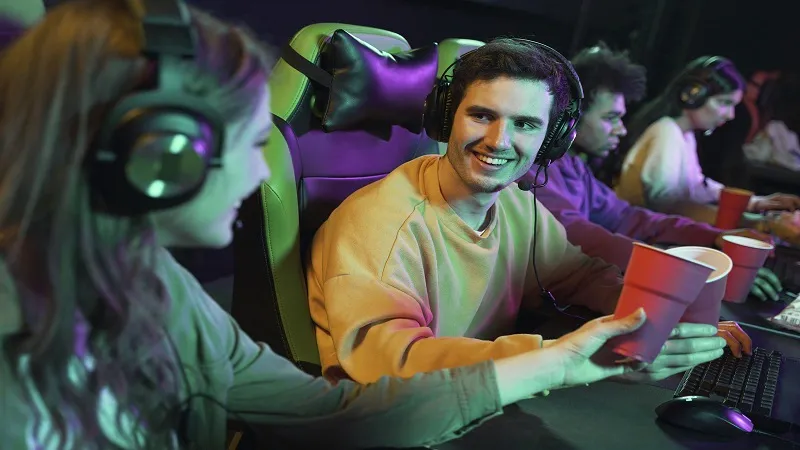
Gaming events have become an exciting way for players, creators, communities, and enthusiasts to connect beyond their usual online experiences. A well-organized event can provide entertainment while also creating opportunities for participants to discover new games, meet other players, participate in challenges, and share memorable moments. Whether the event is designed for a small community or a larger gaming audience, careful planning can make a significant difference.
The idea behind undergrowthgameline our hosted event represents the importance of bringing gamers together through an organized and engaging experience. From selecting activities and preparing the schedule to encouraging community participation, every element can contribute to the success of a gaming event. A strong event does not necessarily require an enormous budget; thoughtful organization, clear communication, and an understanding of the audience can be equally valuable.
Understanding the Purpose of a Gaming Event
Before planning any event, it is important to understand what the organizers want participants to experience. Some gaming events focus on competitions, while others emphasize community interaction, demonstrations, casual gameplay, or discussions about gaming culture.
Defining the purpose helps establish the event’s structure. For example, a competitive event may require tournaments, brackets, rules, referees, and clearly defined prizes. A community-focused event may instead benefit from multiplayer sessions, discussion areas, creative activities, and opportunities for participants to communicate.
A clear purpose also makes promotional efforts easier because potential attendees can quickly understand what they can expect. Organizers should consider their target audience, preferred game genres, expected attendance, and the type of atmosphere they want to create.
Planning the Event Around the Audience
The audience should remain central to every major planning decision. Different groups of gamers have different expectations, so an event designed for casual players may look very different from one created for experienced competitive gamers.
Age range, gaming experience, preferred platforms, and favorite genres can all influence the event structure. Organizers should also think about accessibility. Providing straightforward instructions, reasonable schedules, and beginner-friendly activities can make newcomers feel more comfortable.
For undergrowthgameline our hosted event, understanding the audience can help shape activities that encourage both experienced players and newcomers to participate. Instead of focusing exclusively on highly skilled gamers, organizers can introduce a mixture of competitive and casual activities so that more people have an opportunity to become involved.
Choosing the Right Gaming Activities
Activities are the heart of a gaming event. A good schedule can combine different types of experiences to prevent the event from becoming repetitive.
Competitive tournaments are popular because they create excitement and give skilled players an opportunity to demonstrate their abilities. However, tournaments should not be the only option. Casual multiplayer sessions can encourage social interaction without the pressure of competition.
Other possibilities include gaming challenges, speed-based activities, cooperative missions, trivia sessions, game demonstrations, and community discussions. If suitable technology is available, organizers can also include virtual reality or other interactive gaming experiences.
The most effective combination depends on the audience and available resources. A smaller event may benefit from a handful of carefully selected activities rather than trying to include too many options.
Creating a Well-Organized Schedule
Even an exciting gaming event can become difficult to enjoy if the schedule is confusing. Participants should know when activities begin, where they need to go, how long each session will last, and what they need to participate.
A simple timetable can help organizers manage the event efficiently. Important sessions should be given enough time, while short breaks can prevent participants and staff from becoming overwhelmed.
It is also useful to leave some flexibility in the schedule. Technical problems, registration delays, or unexpectedly long matches can affect timing. A small amount of extra time between major activities gives organizers room to handle unexpected situations without disrupting the entire event.
Preparing the Technology
Technology plays an essential role in modern gaming events. Depending on the format, organizers may need gaming PCs, consoles, monitors, controllers, headphones, networking equipment, projectors, microphones, or streaming equipment.
Every important device should be tested before participants arrive. Controllers should be checked, games should be updated, internet connections should be tested, and multiplayer functionality should be confirmed.
Backup equipment can also be valuable. A spare controller, additional cables, backup storage, or alternative internet connection may prevent a minor technical issue from becoming a major interruption.
For undergrowthgameline our hosted event, reliable technology can help maintain smooth gameplay and reduce unnecessary delays. Preparing equipment in advance allows the organizers to concentrate more on participants rather than solving preventable technical problems during the event.
Building an Engaging Community Atmosphere
Gaming events are not only about playing games. They are also opportunities for people with shared interests to communicate and build relationships.
Organizers can encourage interaction by creating spaces where participants can talk about their favorite games, exchange strategies, and meet other members of the community. Friendly competitions and cooperative challenges can also help people interact naturally.
Hosts and volunteers have an important role in maintaining a welcoming atmosphere. They can introduce participants, explain activities, answer questions, and help newcomers understand how the event works.
A positive community environment can encourage people to participate more actively and may make them interested in attending future events.
Promoting the Event Effectively
Promotion should begin well before the event. Organizers can use gaming communities, social media, websites, forums, newsletters, and other relevant channels to reach potential attendees.
Promotional material should clearly communicate the most important information. This can include the event date, location or online platform, activities, registration process, participation requirements, and any important rules.
Visual content can also attract attention. Event banners, short videos, gameplay previews, and announcements can provide potential participants with a better idea of what to expect.
Consistency is important. Information should remain accurate across promotional channels so that participants do not receive conflicting details.
Encouraging Participation
Simply announcing an event does not guarantee strong participation. Organizers should create reasons for people to become actively involved.
Challenges, tournaments, community competitions, recognition for participants, and interactive sessions can increase engagement. However, participation should not always depend on winning prizes. Recognition, achievement badges, public appreciation, and opportunities to showcase gaming skills can also motivate participants.
Organizers can introduce activities with different difficulty levels. This allows experienced players to enjoy challenging content while beginners have opportunities to participate without feeling intimidated.
For undergrowthgameline our hosted event, a balance between competition and community participation can help create an environment where different types of gamers feel included.
Managing Rules and Fair Play
Clear rules are essential when an event includes competitive activities. Participants should understand how matches work, what behavior is acceptable, how disputes will be handled, and what happens if technical problems occur.
Rules should be communicated before competitions begin. Organizers should also apply them consistently to all participants.
Fair play contributes to trust within the community. Competitive gaming can become intense, but respectful behavior should remain an important part of the experience.
Organizers should also establish procedures for inappropriate behavior, cheating, harassment, or other disruptions. Having clear expectations in advance makes it easier to respond appropriately if problems occur.
Capturing Memorable Moments
Documenting an event can help preserve memories and support future promotion. Photographs, gameplay clips, interviews, highlights, and community reactions can provide useful material after the event.
If participants are being photographed or recorded, organizers should consider appropriate consent and privacy practices. Clear communication about recording can help participants understand how event content may be used.
Post-event highlights can also encourage people who missed the event to participate in future activities.
Learning From Participant Feedback
The end of an event should not be the end of the planning process. Feedback can help organizers understand what worked well and what could be improved.
Participants can be asked about the activities, schedule, technology, communication, venue, and overall experience. Short surveys are often enough to identify common issues.
Organizers should look for repeated patterns rather than relying on a single opinion. If several participants mention the same scheduling problem, for example, that issue may deserve attention during the next event.
Feedback can turn each event into a learning opportunity and gradually improve future experiences.
Building on the Event for Future Activities
A successful gaming event can become the foundation for a larger community. Organizers can maintain engagement through follow-up competitions, online discussions, gaming sessions, newsletters, or announcements about upcoming activities.
Keeping communication active after the event helps participants remain connected. Sharing highlights and thanking attendees can also strengthen the relationship between organizers and the community.
The long-term objective should be to create a consistent experience rather than treating every event as an isolated activity.
What Makes a Gaming Event Memorable?
Several elements can contribute to a memorable gaming event: thoughtful organization, reliable technology, engaging activities, friendly communication, and an atmosphere where participants feel welcome.
The most expensive setup is not always necessary. People often remember how they interacted with others, the challenges they completed, and the excitement they experienced.
Undergrowthgameline our hosted event demonstrates how structured planning and community-focused activities can come together to create an enjoyable gaming experience. By understanding participants and preparing carefully, organizers can make the event accessible, engaging, and enjoyable for a broad audience.
Conclusion
Planning a gaming event requires more than selecting a few games and inviting players. It involves understanding the audience, choosing appropriate activities, preparing technology, creating a clear schedule, establishing fair rules, promoting the event, and collecting feedback afterward.
A successful event gives participants opportunities to compete, cooperate, communicate, and enjoy their shared interest in gaming. Careful preparation can also reduce technical problems and make the experience easier for both organizers and attendees.
Ultimately, undergrowthgameline our hosted event can be viewed as an example of how gaming communities can come together through thoughtful event planning. When organizers focus on participation, organization, fairness, and community connection, they can create experiences that players remember and look forward to attending again.