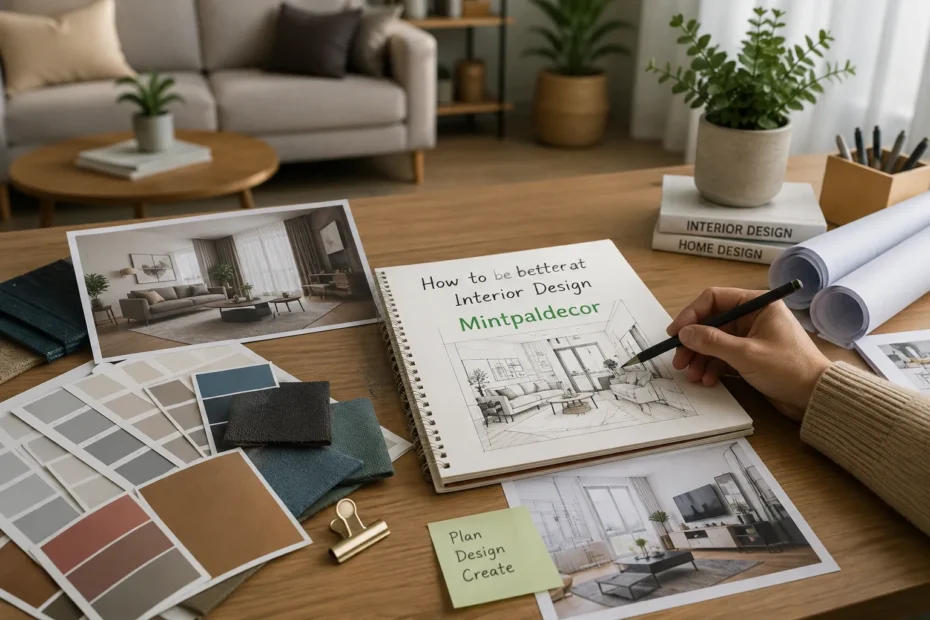
Interior design is more than simply arranging furniture or choosing attractive colors. It is the art of creating spaces that are both functional and visually appealing. Whether you are decorating your own home or pursuing a career in design, learning the fundamentals can help you achieve outstanding results. This guide on how to be better at interior design mintpaldecor will provide practical tips, proven techniques, and creative strategies to improve your design skills and transform any space into a masterpiece.
Understanding the Basics of Interior Design
Before exploring advanced design concepts, it is important to understand the foundations of interior design. Every successful space combines aesthetics, functionality, and comfort.
The key elements of interior design include:
- Color
- Texture
- Lighting
- Space
- Furniture
- Patterns
- Balance
When these elements work together, a room feels harmonious and welcoming. Many beginners focus only on decoration, but professional designers know that functionality should always come first.
Learning the fundamentals is the first step in mastering how to be better at interior design mintpaldecor and creating spaces that truly meet the needs of their users.
Develop a Strong Sense of Space Planning
Space planning is a fundamental interior design skill that helps create functional, comfortable, and visually balanced environments. A beautifully decorated room can still feel uncomfortable if the layout is poorly planned.
Consider the following tips:
Measure Everything
Always take accurate measurements before purchasing furniture or accessories. This prevents overcrowding and ensures proper flow throughout the room.
Create Functional Zones
Large rooms often benefit from separate zones for different activities such as:
- Relaxing
- Dining
- Working
- Entertaining
Prioritize Movement
People should be able to move easily throughout a room without obstacles.
A well-planned layout improves both comfort and appearance, making it a fundamental aspect of successful interior design.
Learn the Principles of Color Theory
Color has a powerful impact on mood and atmosphere. Understanding color theory helps designers create spaces that feel balanced and inviting.
Warm Colors
Warm colors include:
- Red
- Orange
- Yellow
These shades create energy and warmth.
Cool Colors
Cool colors include:
- Blue
- Green
- Purple
These tones promote calmness and relaxation.
Neutral Colors
Neutral shades such as white, gray, beige, and cream provide flexibility and timeless appeal.
When learning how to be better at interior design mintpaldecor, mastering color combinations can dramatically improve your design results.
Master the Art of Lighting Design
Lighting is often overlooked, yet it has one of the biggest impacts on interior spaces.
A good lighting plan combines three layers:
Ambient Lighting
This provides general illumination for the room.
Examples include:
- Ceiling lights
- Chandeliers
- Recessed lighting
Task Lighting
Task lighting supports specific activities.
Examples include:
- Desk lamps
- Reading lights
- Under-cabinet kitchen lights
Accent Lighting
Accent lighting highlights decorative features.
Examples include:
- Wall sconces
- Spotlights
- Picture lights
Combining these lighting layers creates depth, warmth, and visual interest throughout the space.
Understand the Importance of Texture
Texture adds character and richness to interiors. Without texture, even a well-designed room can feel flat and uninspiring.
Examples of texture include:
- Soft fabrics
- Natural wood
- Stone surfaces
- Glass accents
- Metal finishes
- Woven baskets
Combining various textures adds depth, visual interest, and character to the overall interior design.
For example, pairing a smooth leather sofa with a chunky knit blanket instantly makes a room feel more inviting.
Invest Time in Learning Design Styles
Studying various interior design styles helps expand your creativity and design vocabulary.
Popular styles include:
Modern Design
Features:
- Clean lines
- Minimal decoration
- Neutral colors
Scandinavian Design
Known for:
- Simplicity
- Natural materials
- Bright spaces
Industrial Design
Includes:
- Exposed brick
- Metal accents
- Raw materials
Traditional Design
Focuses on:
- Classic furniture
- Elegant details
- Rich colors
Contemporary Design
Combines current trends with functional layouts.
Understanding these styles can help you develop your own unique design approach while improving your confidence as a designer.
Focus on Functionality First
A room should not only look beautiful but also serve its intended purpose effectively.
Before selecting furniture or décor, ask:
- Who will use this space?
- What activities will happen here?
- What storage solutions are needed?
- How can the room improve daily life?
Professional designers prioritize function before aesthetics because a practical space naturally feels more comfortable and enjoyable.
Improve Your Furniture Selection Skills
Furniture plays a major role in defining the character of a room.
When choosing furniture:
Consider Scale
Furniture should match the size of the room.
Large furniture can overwhelm small spaces, while tiny pieces may look insignificant in larger rooms.
Balance Comfort and Style
Beautiful furniture should also be comfortable and practical.
Mix Different Materials
Combining wood, fabric, glass, and metal creates visual interest.
Understanding furniture selection is essential for anyone interested in how to be better at interior design mintpaldecor because furniture often serves as the foundation of a room’s design.
Learn to Create Visual Balance
Balance helps rooms feel stable and harmonious.
There are three main types of balance:
Symmetrical Balance
Objects are mirrored on both sides.
Example:
- Two identical lamps beside a sofa
Asymmetrical Balance
Different objects create equal visual weight.
Example:
- A large artwork balanced by a floor lamp and side table
Radial Balance
Elements radiate from a central focal point.
Example:
- Chairs arranged around a round dining table
Using balance effectively creates a polished and professional appearance.
Incorporate Natural Elements
Nature-inspired interiors continue to grow in popularity because they create calming and healthy environments.
Consider adding:
- Indoor plants
- Natural wood furniture
- Stone accents
- Organic textiles
- Natural lighting
Biophilic design, which connects interiors with nature, can improve mood and overall well-being while enhancing visual appeal.
Build a Strong Eye for Detail
Small details often separate average designs from exceptional ones.
Pay attention to:
Hardware
Cabinet handles and drawer pulls can significantly influence a room’s style.
Trim and Molding
Architectural details add sophistication and character.
Decorative Accessories
Thoughtfully selected accessories complete the design without creating clutter.
The best designers carefully consider every element, no matter how small.
Stay Updated with Current Design Trends
Interior design evolves continuously. Following trends can inspire fresh ideas and help you understand changing consumer preferences.
Current trends include:
- Sustainable materials
- Multifunctional furniture
- Earth-tone color palettes
- Smart home technology
- Curved furniture designs
- Natural textures
However, avoid blindly following trends. Instead, incorporate them selectively while maintaining timeless design principles.
Practice Sketching and Visualization
Visualization skills help designers communicate ideas more effectively.
You can improve by:
- Drawing floor plans
- Creating mood boards
- Using design software
- Studying room layouts
- Practicing perspective sketches
These skills make it easier to plan spaces and present concepts before implementation.
Learn from Real Interior Design Projects
One of the fastest ways to improve is by studying successful projects.
Analyze:
- Furniture placement
- Color palettes
- Lighting choices
- Material combinations
- Decorative details
Visit showrooms, model homes, design websites, and magazines to observe how professionals create cohesive spaces.
Develop Confidence in Your Personal Design Style
While learning from others is valuable, developing your own style is equally important.
Experiment with:
- Different color combinations
- Unique furniture arrangements
- Custom decorative elements
- Personal collections and artwork
Over time, your preferences will evolve into a recognizable design identity.
This personal creativity is a key component of mastering how to be better at interior design mintpaldecor and standing out from the crowd.
Avoid Common Interior Design Mistakes
Even experienced designers make mistakes. Being aware of common errors can save time and money.
Avoid:
- Choosing paint colors before furniture
- Ignoring lighting requirements
- Overcrowding spaces
- Buying furniture without measuring
- Using too many patterns
- Neglecting storage solutions
Careful planning reduces these mistakes and leads to more successful outcomes.
Conclusion
Learning how to be better at interior design mintpaldecor requires a combination of creativity, technical knowledge, and practical experience. By understanding space planning, mastering color theory, improving lighting design, selecting appropriate furniture, and focusing on functionality, you can create beautiful and highly effective interiors.
Remember that great design is not about following every trend. Instead, it is about creating spaces that reflect personality, support daily activities, and provide lasting comfort. Continue studying design principles, experimenting with new ideas, and observing professional projects. With dedication and practice, your interior design skills will continue to grow, allowing you to transform ordinary spaces into extraordinary environments.