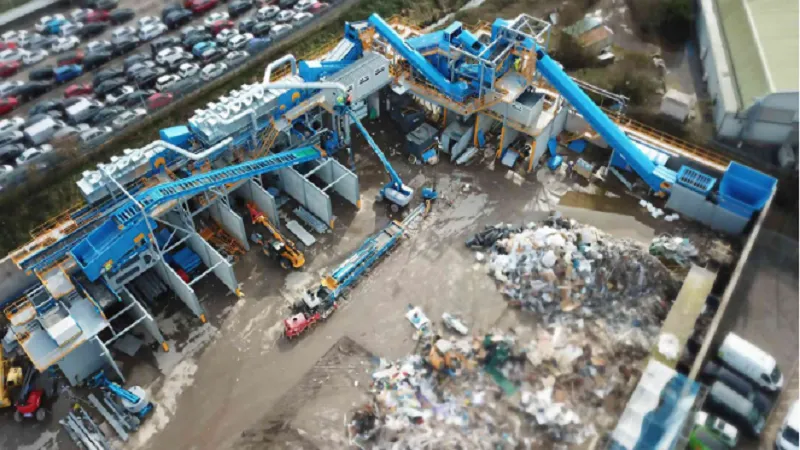
Waste removal is one of the most essential public services in the United States, yet it often goes unnoticed until a problem arises. Every day, millions of households, businesses, construction sites, and industrial facilities generate waste that must be collected, transported, sorted, recycled, or safely disposed of. Without effective waste management systems, communities would face serious environmental, health, and economic consequences.
In the USA, waste removal has evolved far beyond simply taking trash to landfills. Today, it includes residential pickup, commercial dumpster services, hazardous waste handling, recycling programs, electronic waste collection, construction debris cleanup, and sustainable disposal strategies. As cities expand and environmental awareness grows, the demand for smarter and more efficient waste removal services continues to increase.
This article explores the waste removal industry in the United States, including how it works, why it matters, and what trends are shaping its future.
The Importance of Reliable Waste Removal Services
Waste removal plays a foundational role in maintaining clean, safe, and healthy communities. Whether in urban neighborhoods, suburban developments, or rural areas, proper trash collection and disposal are essential for everyday life. Services like Waste Removal USA help ensure that unwanted materials are managed efficiently, reducing clutter and preventing waste from becoming a public nuisance.
Reliable waste removal is especially important for preventing environmental contamination and protecting public health. Uncollected waste can attract pests, spread bacteria, produce foul odors, and create unsafe living conditions. In business settings, poor waste management can harm a company’s image and even result in legal or regulatory issues.
Beyond sanitation, waste removal also supports productivity and convenience. Homeowners often need help with spring cleaning, moving, remodeling, or estate cleanouts. Businesses require scheduled collection to keep operations running smoothly. Construction companies depend on timely debris removal to keep worksites organized and safe.
As the amount and complexity of waste continue to grow in the United States, dependable waste removal services have become more important than ever.
Types of Waste Commonly Removed in the USA
Waste removal in the USA covers a wide range of materials, and each type often requires a different handling method. Understanding these categories helps explain why professional services are so valuable.
Household Waste
This includes everyday trash such as food packaging, paper, plastics, broken household items, and general garbage. Most cities and towns provide municipal collection for this type of waste.
Recyclable Materials
Recycling programs typically collect paper, cardboard, aluminum, glass, and certain plastics. These materials are separated and processed so they can be reused instead of ending up in landfills.
Yard Waste
Grass clippings, leaves, branches, and tree trimmings are common forms of green waste. Many local programs or private services offer seasonal yard debris pickup.
Construction and Demolition Debris
This category includes concrete, wood, drywall, roofing materials, tiles, bricks, and metal scraps. Construction waste often requires roll-off dumpsters or specialized hauling services.
Bulk Junk
Old furniture, mattresses, appliances, and large household items are not always accepted through regular curbside pickup. Junk removal companies often handle these items separately.
Hazardous and Electronic Waste
Batteries, paints, chemicals, fluorescent bulbs, televisions, computers, and other electronics require careful disposal. These items can contain toxic substances that should not be mixed with regular trash.
Because waste is so diverse, the waste removal industry in the USA must remain highly organized and adaptable.
Residential Waste Removal and Its Growing Demand
Residential waste removal is one of the most visible and widely used services in the country. For most Americans, weekly garbage collection is a routine part of life. However, household waste management now extends well beyond regular curbside pickup.
Many homeowners need additional services for one-time or seasonal cleanup projects. For example, people often generate excess waste during home renovations, garage cleanouts, landscaping projects, or after moving into a new property. In these situations, temporary dumpster rentals or junk hauling services can be far more practical than relying on standard city collection.
The growing popularity of home improvement projects has also increased demand for residential waste solutions. Materials such as broken cabinets, old flooring, drywall, and remodeling debris can pile up quickly and require prompt removal. Similarly, after storms or natural disasters, households may need immediate cleanup assistance for fallen branches, damaged furniture, and other debris.
Another important trend is convenience. Modern consumers want flexible, affordable, and hassle-free waste removal options. As a result, many service providers now offer online booking, scheduled pickups, same-day junk removal, and transparent pricing.
Residential waste removal has become not just a utility, but a key support service for homeowners across the United States.
Commercial and Industrial Waste Management
Businesses and industrial facilities generate large volumes of waste, often on a daily basis. Effective commercial waste removal is critical for maintaining clean work environments, meeting regulations, and controlling costs.
Restaurants, retail stores, office buildings, warehouses, and manufacturing plants all have unique waste disposal needs. For example, restaurants may generate food waste and packaging, while offices often produce paper waste and outdated electronics. Industrial operations may need specialized removal for scrap materials, chemicals, or production byproducts.
Commercial waste removal services are typically more customized than residential ones. Businesses may require front-load dumpsters, compactors, scheduled pickups, recycling programs, or compliance-based disposal plans. In some industries, waste must be tracked and documented to meet local, state, or federal environmental regulations.
For companies, proper waste management also reflects professionalism. Overflowing dumpsters or poorly maintained disposal areas can negatively affect customers, employees, and business reputation. On the other hand, organized waste removal systems improve cleanliness, efficiency, and sustainability.
As businesses become more environmentally conscious, many are also investing in waste reduction strategies. These include recycling partnerships, composting programs, and initiatives to reduce single-use packaging or unnecessary material waste.
The Role of Recycling and Sustainability
Waste removal in the USA is increasingly connected to sustainability. While disposal remains necessary, the focus has shifted toward reducing waste, reusing materials, and improving recycling systems.
Recycling helps divert valuable materials away from landfills and reduces the need for raw resource extraction. Cardboard, paper, plastics, metals, and glass can all be reprocessed into new products when handled correctly. Many waste removal providers now integrate recycling services into both residential and commercial plans.
Sustainability also involves composting organic waste such as food scraps and yard debris. Composting reduces landfill volume and creates nutrient-rich material that can be used in landscaping and agriculture.
In recent years, more Americans have become aware of the environmental costs of waste. Landfills produce methane emissions, illegal dumping harms ecosystems, and improper disposal of electronics or chemicals can contaminate soil and water. These concerns have encouraged communities and businesses to seek greener waste management options.
The future of waste removal in the USA will depend heavily on innovation and public participation. Better sorting systems, improved recycling education, and sustainable disposal methods are all part of the solution.
The Future of Waste Removal in the United States
The waste removal industry in the United States is changing rapidly. Population growth, consumer habits, e-commerce packaging, and environmental regulations are all shaping the future of how waste is collected and processed.
Technology is already playing a major role. Smart waste bins, route optimization software, and automated collection systems are helping providers improve efficiency and reduce costs. Data tracking is also making it easier for businesses and municipalities to monitor waste generation and identify opportunities for reduction.
Another major shift is the push toward a circular economy, where materials are reused rather than discarded after a single use. This model encourages manufacturers, consumers, and service providers to think differently about waste and resource recovery.
Public education will also remain important. Many people still struggle to separate recyclables correctly or understand how to dispose of hazardous items safely. Clear communication and accessible services can make a big difference.
Ultimately, the future of waste removal in the USA will require a combination of reliable service, environmental responsibility, and innovation. Communities that invest in better waste systems today will be better prepared for tomorrow’s challenges.
Conclusion
Waste removal in the United States is far more than a routine service—it is a critical part of public health, environmental protection, and everyday convenience. From household garbage and bulk junk to commercial waste and construction debris, effective waste management keeps communities functioning smoothly and safely.
As the country faces growing environmental pressures and rising waste volumes, the importance of professional and efficient solutions will only increase. Companies such as Waste Removal USA represent the type of dependable service many homeowners and businesses rely on to manage waste responsibly and efficiently.
In the years ahead, the combination of innovation, recycling, sustainability, and reliable collection services will shape a cleaner and more organized future for waste removal across the USA.