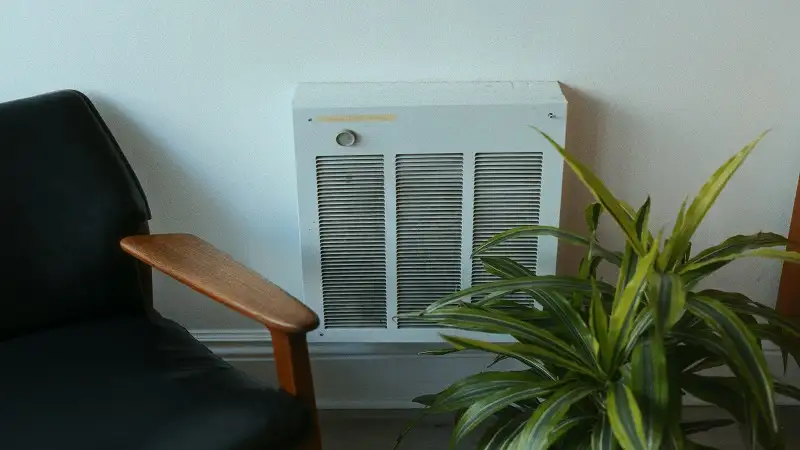
Heating systems run into predictable challenges as temperatures drop, and these challenges tend to surface at the moments homeowners rely on their equipment the most. Weak airflow, uneven warmth, rising utility bills, or sudden shutdowns appear when a system begins to struggle. These issues can feel disruptive, yet many come from simple causes that can be identified early and prevented with the right approach.
Colder weather brings out these patterns every year, and Wilmington, North Carolina, experiences sharp dips that place extra strain on older or neglected systems. When equipment works harder to keep up, even small inefficiencies turn into noticeable performance changes.
Lack of Warm Air Coming Through the Vents
Nothing feels more frustrating than turning on the heat and noticing only cool or barely warm air flowing into the room. This issue usually traces back to blocked filters, thermostat oversights, or components struggling with airflow.
A simple filter replacement can restore warmth in many cases. Filters collect dust quickly, which restricts movement and lowers the temperature of the air reaching each vent. A thermostat set to the wrong mode or placed in a drafty spot can also confuse the system.
Frequent System Short Cycling
Short cycling creates a noticeable pattern: the system turns on, shuts down shortly after, then repeats the cycle. This on-and-off behavior disrupts comfort for many Wilmington homeowners and places unnecessary strain on internal components. Because the system runs for shorter periods, heat does not distribute evenly, leaving rooms cooler than expected.
Several issues can trigger short cycling, including miscalibrated thermostats, dirty flame sensors, restricted airflow, or oversized equipment. Each problem forces the system to shut down before completing a full heating cycle, reducing efficiency and increasing monthly energy costs over time. If you’re looking for heating repair in Wilmington, NC, choose professionals who can provide accurate diagnostics and reliable repairs. Addressing the issue early helps prevent further damage and keeps the system running efficiently.
Weak or Inconsistent Airflow Across the Home
Weak airflow makes some rooms feel warm while others remain chilly. It points to blocked ducts, blower motor issues, or imbalances within the system. When air struggles to move through the network of ducts, the home never reaches a consistent temperature.
Dust buildup, disconnected duct sections, or declining blower strength can create these gaps in airflow. Some signs include noticeable drafts, vents that barely push air, or sounds that suggest the blower is working harder than usual. Preventing airflow problems starts with periodic duct evaluations and attention to any unusual blower noises. Keeping vents clear and uncluttered also helps air travel smoothly throughout the home.
Rising Energy Bills Without Noticeable Comfort Improvements
A heating system that uses more energy while delivering the same or less warmth signals underlying trouble. Worn parts, clogged filters, and airflow restrictions force the system to run longer. The longer it runs under strain, the higher the utility bills climb.
Energy loss also grows when older components no longer perform efficiently. Small issues add up, and the system works harder than necessary to reach the target temperature. Routine cleaning, timely part replacements, and seasonal tune-ups keep a system running at a reasonable cost. These simple steps prevent the cycle of rising bills and declining comfort.
Strange Smells or Sounds During Operation
Unusual smells or sounds signal internal issues that deserve attention. Burning odors may come from dust buildup on heating elements. Metallic or rattling noises can point to loose components. A sour or musty scent may indicate moisture inside the system.
Ignoring these signals can lead to larger repairs later. Taking action early protects the system and keeps your home safe. Regular cleaning, professional inspections, and early reporting of new sounds or smells help prevent serious problems. With timely care, the system continues operating smoothly through colder months.
Thermostat Failures That Cause Temperature Inconsistency
A thermostat serves as the control center for any heating system, so even small issues can lead to noticeable discomfort. A worn sensor or outdated model may misread indoor temperatures, causing the system to start or stop at the wrong time. It creates warm rooms on some days and chilly ones on others, even when the settings stay the same.
Temperature swings sometimes appear when a thermostat sits near a heat source, in direct sunlight, or close to drafts. These conditions lead the thermostat to activate the system at unnecessary times.
Pilot Light or Ignition Problems That Interrupt Heating
Ignition issues stop the system from producing heat altogether, which makes this problem one of the most noticeable. A pilot light that keeps going out or an electronic igniter that fails to spark leaves the home without steady warmth. Dirt buildup on the igniter, worn components, and safety lockouts can all interfere with ignition.
When ignition problems appear, the system may start up, pause, and then shut itself down as a safety measure. That behavior signals the need for cleaning or part replacement. Early attention to delayed ignition, clicking sounds, or repeated shutdowns prevents bigger failures later.
System Wear and Aging That Reduces Reliability
Heating systems lose efficiency over time as motors, belts, burners, and electrical parts go through years of use. Aging equipment needs more time to reach the desired temperature, which lowers comfort and increases operating costs. Recurring repairs often point to a system nearing the end of its reliable lifespan.
Aging doesn’t mean immediate replacement. It does call for closer monitoring and more deliberate maintenance. Seasonal tune-ups help identify weak parts before they fail, and consistent care delays the need for major work.
Many heating issues develop gradually, appearing through small changes in airflow, temperature consistency, or energy use. These signs reveal when the system needs attention long before a major breakdown. Routine maintenance, quick responses to unusual sounds or smells, clean filters, and thermostat checks all play a role in keeping the system steady.
Taking a proactive approach protects comfort and reduces stress on equipment. Each problem highlighted throughout this article has a practical solution that preserves performance and helps prevent unexpected interruptions.