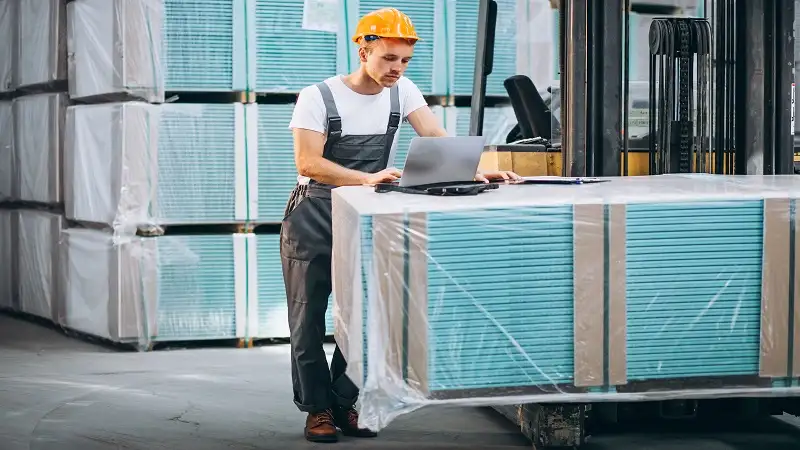
In large-scale warehouse environments, maintaining optimal airflow and temperature control is essential for productivity, energy efficiency, and the well-being of employees. The challenge lies in balancing ventilation, cooling, and heating, particularly in high-ceilinged spaces that may span thousands of square feet. In these settings, industrial HVLS (High Volume Low Speed) fans have emerged as an effective solution for improving air circulation and enhancing operational efficiency. These fans, designed for large, open spaces, deliver a range of benefits that can positively impact both the work environment and bottom line.
Benefits of HVLS Fans in Warehouse Settings
One of the most significant advantages of industrial HVLS fans is their ability to provide consistent air circulation in large, often challenging environments. Unlike traditional fans that may focus airflow on specific areas, HVLS fans are designed to move large volumes of air slowly and efficiently, ensuring that the airflow reaches every corner of the facility. This even distribution of air prevents hot or cold spots, creating a more consistent and comfortable climate for workers, which can directly impact their productivity.
Furthermore, the low-speed operation of these fans allows them to move more air with less energy consumption compared to traditional high-speed fans. This energy efficiency not only reduces operational costs but also contributes to a more sustainable and eco-friendly approach to warehouse management. By improving ventilation without excessive energy use, industrial HVLS fans offer a long-term solution that helps facilities stay within energy efficiency standards and regulations.
Energy Efficiency and Cost Savings
In large-scale warehouse environments, where HVAC systems can struggle to maintain a consistent temperature, HVLS fans can help reduce reliance on heating and cooling units, leading to significant cost savings. By facilitating better air circulation, these fans distribute warm air from the ceiling down to the floor during colder months and help cool the space during the summer by encouraging air movement.
Research indicates that proper air circulation can reduce energy costs by up to 30% in warehouses and industrial buildings. The energy savings are achieved because HVLS fans allow HVAC systems to operate less frequently, thereby reducing the energy consumption required to regulate temperature across a large area.
For instance, a report by the U.S. Department of Energy found that energy-efficient fans, such as HVLS models, can lower a building’s heating and cooling expenses significantly. By improving air circulation, these fans help maintain the desired temperature more efficiently, reducing the strain on HVAC systems and preventing the overuse of energy resources.
Enhancing Employee Comfort and Productivity
Creating a comfortable environment for employees is crucial to optimizing performance in warehouse settings. Poor ventilation can lead to discomfort, including temperature fluctuations, humidity issues, and stale air. Such conditions not only negatively affect employee morale but can also lead to health-related issues such as fatigue, dehydration, and respiratory problems.
Industrial HVLS fans help mitigate these challenges by promoting uniform airflow and temperature distribution across the warehouse. In the summer months, they help cool the facility by improving the movement of air and preventing the buildup of heat near the ceiling. This air movement can help reduce perceived temperatures, making it more comfortable for workers even during the warmest months.
In the winter, HVLS fans work by gently circulating warm air from the ceiling to the floor. In high-ceilinged warehouses, warm air tends to accumulate near the roof, leaving the lower part of the space cooler. By moving this air downward, HVLS fans help maintain a more consistent temperature throughout the facility, preventing employees from working in cold, uncomfortable conditions.
Studies have shown that creating a more comfortable and healthy work environment can result in higher productivity and lower absenteeism rates. Employees who are less affected by extreme temperatures or poor air quality are likely to perform better and take fewer sick days. Additionally, facilities with proper ventilation systems are more likely to comply with workplace health and safety regulations, further benefiting both workers and employers.
Longevity and Durability of Industrial HVLS Fans
Industrial HVLS fans are designed for heavy-duty use and built to last. Unlike traditional fans, which may wear out quickly due to high-speed operation and constant use, HVLS fans are engineered to operate at low speeds, which reduces wear and tear on components. This extended lifespan makes them a wise investment for large-scale warehouse operations, where maintaining equipment uptime is critical for business continuity.
The durability of HVLS fans also means that they require fewer maintenance interventions. With fewer moving parts and slower speeds, there is less likelihood of mechanical failures, which can lead to costly repairs and downtime. Moreover, many HVLS fans come with robust warranties and manufacturer support, offering peace of mind to warehouse managers and owners.
Furthermore, these fans are often designed with features that make them easy to clean and maintain, such as dust-resistant materials and corrosion-resistant coatings. This helps to extend their operational life even further and ensures they continue to function optimally for years, even in harsh industrial environments.
The Role of HVLS Fans in Sustainable Warehouse Operations
As sustainability becomes an increasingly important concern for businesses worldwide, the role of industrial HVLS fans in reducing a warehouse’s carbon footprint cannot be overlooked. These fans help to minimize the need for additional cooling or heating systems, which are major sources of energy consumption in industrial buildings. By enhancing the efficiency of existing HVAC systems, HVLS fans contribute to a more sustainable approach to temperature control, helping warehouses reduce their reliance on fossil fuels and lower greenhouse gas emissions.
In fact, many businesses are integrating HVLS fans as part of their broader sustainability initiatives, including efforts to achieve LEED (Leadership in Energy and Environmental Design) certification. This is because energy-efficient ventilation systems like HVLS fans play a vital role in meeting the stringent energy performance criteria required by such green building programs.
Moreover, by optimizing airflow and reducing energy consumption, industrial HVLS fans can also help businesses reduce waste and minimize the environmental impact of their operations. This makes them a valuable tool not only for improving operational efficiency but also for enhancing a company’s commitment to sustainability and corporate social responsibility.
Choosing the Right HVLS Fan for Your Warehouse
When selecting an industrial HVLS fan for a warehouse or large-scale facility, several factors must be considered to ensure maximum efficiency and effectiveness. The size of the warehouse, the ceiling height, the airflow requirements, and the desired energy savings all play a role in determining the best type of fan for the job.
For instance, a larger warehouse with a high ceiling may require more powerful fans to achieve the desired airflow, whereas a smaller facility might benefit from fewer, smaller units. Additionally, the specific layout and air circulation patterns of the warehouse should be taken into account to ensure that air movement is optimized across the entire space.
It is also important to choose a fan with the right motor and blade design to ensure efficiency. Fans with larger, wider blades tend to move more air at lower speeds, which increases energy efficiency and improves air circulation. Adjustable speed settings may also be beneficial for adapting the fan’s operation to changing environmental conditions.
Lastly, consulting with an expert in industrial ventilation or HVAC systems can help warehouse managers make informed decisions about which HVLS fan model will best suit their needs and deliver the most significant benefits in terms of energy savings, employee comfort, and operational efficiency.
Conclusion
Industrial HVLS fans are an invaluable tool for improving the ventilation and temperature control of large-scale warehouse operations. By providing consistent and energy-efficient airflow, these fans help maintain a comfortable working environment for employees, reduce operational costs, and contribute to a sustainable approach to warehouse management. Their durability, cost-effectiveness, and environmental benefits make them a wise investment for businesses looking to improve their bottom line while fostering a more efficient and comfortable workplace. Whether in the summer heat or the winter chill, industrial HVLS fans play a pivotal role in ensuring the continued success and efficiency of large-scale warehouse operations.