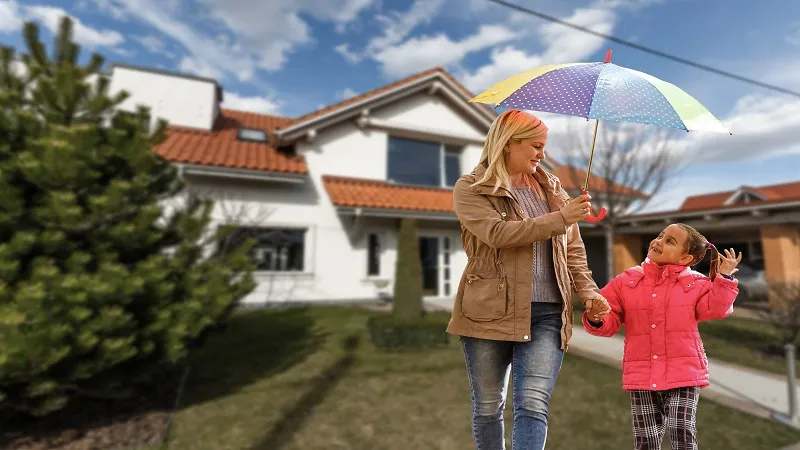
Your home’s exterior is constantly exposed to the elements, and over time, even subtle weather patterns can leave a lasting impact. From intense sunlight to heavy rainfall and seasonal temperature shifts, these environmental factors gradually affect materials like siding, paint, roofing, and concrete surfaces. Many homeowners underestimate how much local climate conditions influence the longevity and appearance of their property.
Understanding these effects isn’t just about maintenance—it’s about protecting your investment. As weather patterns become more unpredictable in many regions, proactive care is becoming increasingly important. Knowing what your home faces throughout the year can help you make smarter decisions about upkeep, repairs, and long-term durability.
The Effects of Sun Exposure and Heat
In areas with strong sunlight and high temperatures, ultraviolet (UV) rays can cause significant wear on your home’s exterior. Paint tends to fade, wood can dry out and crack, and certain siding materials may warp over time. Prolonged heat exposure also weakens sealants, making surfaces more vulnerable to moisture intrusion.
This type of damage often happens gradually, making it easy to overlook until it becomes more serious. Regular inspections and timely cleaning can help slow down deterioration. Many homeowners turn to professional pressure washing services to remove built-up grime and restore surfaces affected by sun exposure, helping maintain both appearance and structural integrity.
Rain, Humidity, and Moisture Damage
Frequent rainfall and high humidity levels create ideal conditions for mold, mildew, and algae growth. These not only affect the look of your home but can also lead to long-term damage if left untreated. Moisture can seep into cracks, expand materials, and weaken structural components over time.
Wood siding and decks are particularly vulnerable, as they absorb moisture easily. Even brick and concrete surfaces can develop stains or erosion. Proper drainage systems, routine cleaning, and sealing exposed areas are essential steps to combat moisture-related issues. Preventive maintenance is often far less costly than repairing water damage after it spreads.
The Impact of Seasonal Temperature Changes
Regions that experience fluctuating temperatures face a different set of challenges. The cycle of freezing and thawing can cause materials to expand and contract repeatedly, leading to cracks in concrete, driveways, and even foundations. Roof shingles may loosen, and exterior finishes can start to peel.
These changes may seem minor at first, but over time they compromise the durability of your home’s exterior. Addressing small cracks early and ensuring proper insulation can reduce the effects of temperature stress. Consistent upkeep helps maintain structural stability and prevents minor issues from escalating.
Wind, Dust, and Environmental Debris
Strong winds and airborne debris can also take a toll on your home’s exterior. Dust accumulation dulls surfaces, while debris like leaves and dirt can clog gutters and trap moisture. In some areas, storms bring sand or pollutants that gradually wear down finishes and coatings.
Regular cleaning plays a crucial role in minimizing this type of damage. Keeping gutters clear, washing exterior walls, and inspecting vulnerable areas can help maintain your home’s condition. Over time, these small efforts contribute to preserving both functionality and curb appeal.
Conclusion
Weather patterns play a significant role in shaping the condition of your home’s exterior. Whether it’s sun, rain, temperature shifts, or wind, each element contributes to gradual wear and tear that can impact both aesthetics and structural integrity.
By understanding how your local climate affects your property, you can take proactive steps to protect it. Routine maintenance, timely repairs, and professional cleaning solutions all contribute to extending the life of your home’s exterior.
In the long run, staying ahead of weather-related damage isn’t just about appearance—it’s about safeguarding your investment and ensuring your home remains strong, efficient, and visually appealing for years to come.