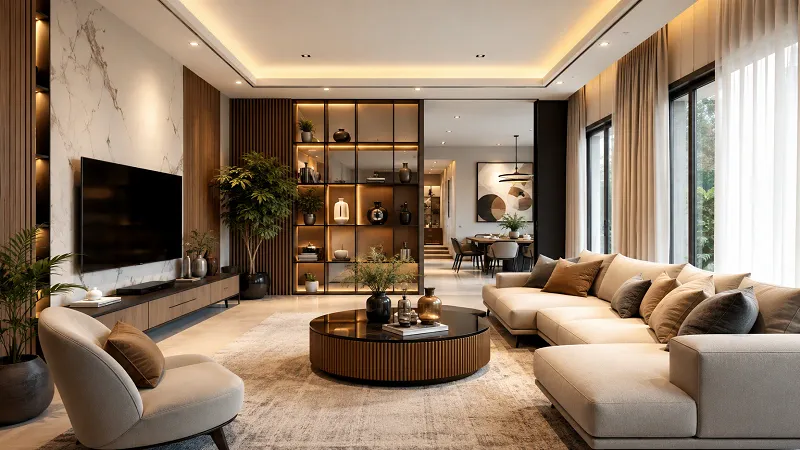
Interior design is much more than arranging furniture or choosing paint colors. It is a creative process that transforms ordinary spaces into functional, comfortable, and visually appealing environments. Many homeowners, business owners, and design enthusiasts are fascinated by the way interior design can completely change the feel of a room. This is exactly why the topic why interior design is interesting mintpaldecor continues to attract attention from people who want to improve their living and working spaces.
Whether it is a cozy home, a modern office, or a luxurious hotel, interior design plays a significant role in shaping experiences. It combines creativity, psychology, architecture, and functionality to create spaces that inspire and support everyday life.
Understanding Why Interior Design Matters in Everyday Life
One of the main reasons people find interior design interesting is its impact on daily living. Every room we enter affects our mood, productivity, and comfort. A well-designed space can make people feel relaxed, motivated, and happy.
Interior design helps create environments that meet specific needs. For example, a living room should encourage relaxation and social interaction, while a home office should promote focus and productivity. Through thoughtful planning, designers ensure that each space serves its intended purpose effectively.
The concept behind why interior design is interesting mintpaldecor is rooted in the ability of design to improve quality of life while adding beauty to surroundings.
The Creative Freedom That Makes Interior Design Exciting
Creativity is one of the biggest attractions of interior design. Every project presents a unique challenge and an opportunity to create something special. Designers experiment with colors, textures, patterns, lighting, and furniture to achieve a desired look and feel.
Unlike many professions that follow strict guidelines, interior design allows for endless possibilities. Two designers can work on the same room and produce completely different yet equally stunning results.
This freedom encourages innovation and self-expression. Homeowners can also personalize their spaces to reflect their tastes, interests, and personalities, making interior design a truly creative journey.
How Interior Design Combines Art and Functionality
A fascinating aspect of interior design is the balance between beauty and practicality. A room may look amazing, but if it doesn’t function properly, the design fails to meet its purpose.
Successful interior designers carefully consider factors such as:
- Space planning
- Furniture placement
- Lighting arrangements
- Traffic flow
- Storage solutions
- Accessibility
By blending artistic vision with practical requirements, designers create spaces that are both attractive and highly functional.
This balance is another reason why discussions about why interior design is interesting mintpaldecor remain popular among design enthusiasts.
The Psychology Behind Interior Design
Interior design is deeply connected to human psychology. Different colors, layouts, and lighting conditions can influence emotions and behaviors.
For example:
- Blue often creates a calming effect.
- Yellow promotes energy and positivity.
- Green brings feelings of balance and relaxation.
- Neutral tones provide comfort and sophistication.
Lighting also affects mood. Bright lighting can increase focus and alertness, while softer lighting creates warmth and intimacy.
Understanding these psychological principles allows designers to create environments that support emotional well-being and improve everyday experiences.
Interior Design Reflects Personal Identity
People often view their homes as extensions of themselves. Interior design provides a powerful way to express personality, values, and lifestyle preferences.
Some individuals prefer minimalist interiors with clean lines and simple colors. Others enjoy vibrant spaces filled with artwork, decorative accessories, and bold patterns.
Through interior design, homeowners can showcase their individuality and create spaces that feel uniquely theirs. This personal connection makes the design process highly engaging and rewarding.
The Role of Technology in Modern Interior Design
Technology has transformed the interior design industry in remarkable ways. Advanced software now allows designers to create realistic 3D models and virtual walkthroughs before construction begins.
Some technological advancements include:
- Computer-aided design (CAD)
- 3D rendering software
- Virtual reality visualization
- Smart home integration
- Automated lighting systems
These innovations help designers communicate ideas more effectively and allow clients to visualize projects before making decisions.
Technology adds another layer of excitement to the field and demonstrates why interior design continues to evolve.
Sustainability Makes Interior Design More Meaningful
Modern interior design increasingly focuses on sustainability and environmental responsibility. Designers now seek ways to create beautiful spaces while minimizing environmental impact.
Sustainable design practices include:
- Using eco-friendly materials
- Choosing energy-efficient lighting
- Incorporating recycled products
- Improving indoor air quality
- Reducing waste during renovations
These efforts contribute to healthier homes and a healthier planet. Many people find this aspect particularly inspiring because it combines creativity with social responsibility.
Interior Design Enhances Property Value
Another reason interior design attracts attention is its ability to increase property value. Well-designed homes often sell faster and at higher prices than poorly designed properties.
Potential buyers are naturally drawn to spaces that appear functional, modern, and welcoming. Strategic upgrades such as improved lighting, updated kitchens, and attractive layouts can significantly enhance market appeal.
This practical financial benefit makes interior design both interesting and valuable for homeowners and investors alike.
The Endless Variety of Design Styles
One reason the topic why interior design is interesting mintpaldecor remains relevant is the incredible variety of available design styles.
Popular styles include:
Modern Design
Modern interiors emphasize simplicity, clean lines, and minimal decoration. Neutral colors and functional furniture dominate these spaces.
Contemporary Design
Contemporary design reflects current trends while maintaining a sophisticated appearance. It often incorporates innovative materials and bold design elements.
Scandinavian Design
Known for its simplicity and functionality, Scandinavian design uses light colors, natural materials, and uncluttered spaces.
Industrial Design
Industrial interiors feature exposed brick, metal accents, and raw materials inspired by warehouses and factories.
Traditional Design
Traditional spaces embrace classic furniture, rich colors, elegant details, and timeless décor.
Each style offers unique opportunities for creativity and personal expression.
Interior Design Solves Real-Life Problems
Many people assume interior design is purely decorative, but it often involves solving complex challenges.
Designers address issues such as:
- Limited space
- Poor lighting
- Inefficient layouts
- Storage shortages
- Accessibility requirements
Creative solutions can dramatically improve functionality and comfort. Transforming a difficult space into an efficient and attractive environment is one of the most satisfying aspects of the profession.
The Influence of Culture on Interior Design
Interior design reflects cultural traditions, historical influences, and regional preferences. Different cultures bring unique perspectives to design concepts, materials, and aesthetics.
For example:
- Japanese interiors often emphasize simplicity and harmony.
- Mediterranean designs feature warm colors and natural textures.
- Moroccan interiors showcase intricate patterns and vibrant hues.
- European styles may incorporate elegant architectural details.
Exploring these diverse influences makes interior design an endlessly fascinating field of study.
Why Interior Design Continues to Evolve
Interior design is constantly changing due to shifting lifestyles, technological innovations, and emerging trends. Designers must stay informed about new materials, consumer preferences, and design techniques.
Recent trends include:
- Smart homes
- Multifunctional spaces
- Biophilic design
- Sustainable materials
- Minimalist living
This continuous evolution keeps the industry fresh and exciting. There is always something new to learn, explore, and implement.
Career Opportunities in Interior Design
Many individuals find interior design interesting because it offers diverse career paths. Professionals can specialize in areas such as:
- Residential design
- Commercial design
- Hospitality design
- Healthcare design
- Retail design
- Furniture design
These opportunities allow designers to focus on projects that align with their interests and strengths.
The combination of creativity, problem-solving, and business skills makes interior design a dynamic and rewarding profession.
The Emotional Impact of Beautiful Spaces
A thoughtfully designed space can have a profound emotional effect on those who use it. Beautiful environments often inspire creativity, improve mental well-being, and encourage positive social interactions.
People naturally appreciate spaces that feel comfortable, organized, and visually pleasing. Interior design helps create these experiences by carefully considering every detail, from color schemes to furniture placement.
This emotional connection is a major reason why so many people are passionate about interior design.
Conclusion
The answer to why interior design is interesting mintpaldecor lies in its unique combination of creativity, functionality, psychology, technology, and personal expression. Interior design has the power to transform ordinary rooms into extraordinary spaces that enhance comfort, productivity, and happiness.
From improving property value to promoting sustainability and reflecting personal identity, interior design influences nearly every aspect of modern living. Its ability to solve practical problems while creating beautiful environments makes it one of the most fascinating and rewarding fields in the world.
As design trends continue to evolve and technology advances, interior design will remain an exciting subject for homeowners, professionals, and enthusiasts alike. The endless opportunities for innovation and self-expression ensure that interest in interior design will continue growing for years to come.