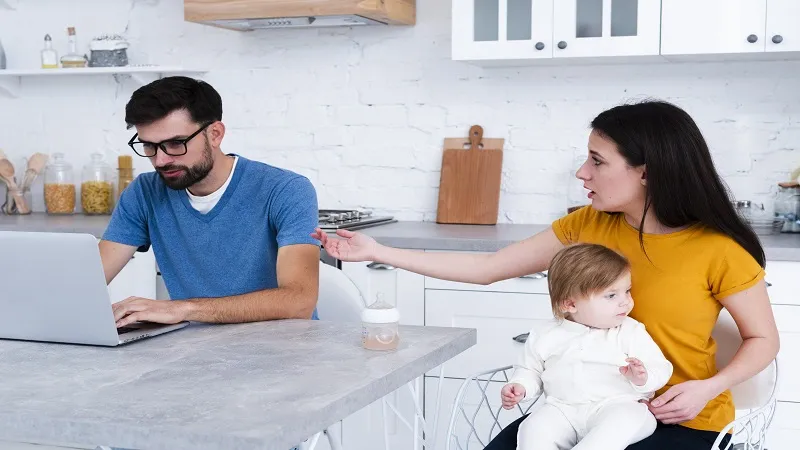
Parenting is one of the most rewarding journeys in life, but it also comes with daily challenges. From managing toddler tantrums to helping teenagers stay focused, every parent looks for practical advice that truly works. That is where fpmomhacks parenting advice by famousparenting becomes valuable. These parenting strategies combine modern parenting techniques with real-life experiences to help families create happier and healthier homes.
In today’s fast-moving world, parents often struggle to balance work, relationships, and childcare responsibilities. With the right parenting guidance, however, families can build strong emotional connections and create a peaceful environment for children. This article explores useful parenting hacks, emotional support techniques, communication skills, discipline strategies, and healthy habits inspired by modern parenting trends.
Why FPMomHacks Parenting Advice by FamousParenting Is Popular
The reason many parents search for fpmomhacks parenting advice by famousparenting is simple: it offers realistic and easy-to-follow parenting solutions. Instead of complicated theories, these tips focus on practical actions parents can apply daily.
Parents today face new challenges compared to previous generations. Social media, technology addiction, school pressure, and busy schedules make parenting more demanding. FamousParenting-inspired advice helps parents stay calm, organized, and emotionally connected with their children.
Some major benefits include:
- Better communication with children
- Reduced family stress
- Positive discipline techniques
- Improved emotional intelligence
- Stronger parent-child relationships
- Healthier routines for the entire family
These parenting tips are created for modern families seeking balance, better understanding, and healthy emotional development.
Building Strong Communication with Children
Good communication is the foundation of successful parenting. Children need to feel heard, respected, and supported. One of the key lessons from fpmomhacks parenting advice by famousparenting is that listening is just as important as talking.
Practice Active Listening
Many parents become distracted by work, phones, or stress. Children notice when adults are not paying attention. Active listening means giving full attention when your child speaks.
Ways to improve listening include:
- Make eye contact
- Avoid interrupting
- Respond calmly
- Ask follow-up questions
- Show empathy
When children feel understood, they become more open and honest with parents.
Encourage Open Conversations
Children should feel comfortable discussing school, friendships, fears, and emotions. Parents who create judgment-free conversations often develop stronger family bonds.
Try asking questions like:
- “How was the best part of your day?”
- “Did anything make you feel upset today?”
- “What are you excited about this week?”
These simple conversations help children build confidence and emotional security.
Positive Discipline Strategies for Better Behavior
Discipline does not mean punishment. Modern parenting encourages teaching instead of controlling. One important aspect of fpmomhacks parenting advice by famousparenting is using positive discipline methods that guide children respectfully.
Set Clear Family Rules
Children feel safer when they understand expectations. Create simple household rules and explain why they matter.
Examples include:
- Respect everyone in the house
- Finish homework before screen time
- Speak politely
- Help with chores
Consistency is very important. When rules constantly change, children may struggle to understand expectations clearly.
Avoid Excessive Punishment
Yelling and harsh punishments often create fear instead of understanding. Calm explanations work better in the long term.
Instead of saying:
“You are always bad!”
Try:
“That behavior was not okay. Let’s talk about a better choice.”
Positive correction teaches responsibility while protecting a child’s confidence.
Creating Healthy Daily Routines
Children perform better emotionally and academically when they follow stable routines. Predictable schedules reduce anxiety and improve discipline.
Morning Routines Matter
A peaceful morning sets the tone for the day. Parents can reduce stress by preparing things the night before.
Helpful morning routine ideas:
- Pack school bags early
- Prepare clothes at night
- Wake up at consistent times
- Eat healthy breakfasts together
Simple organization creates calmer mornings for the entire family.
Healthy Sleep Habits
Lack of sleep affects mood, focus, and behavior. Children need consistent bedtime schedules for proper growth and mental health.
Parents should:
- Limit screens before bed
- Read bedtime stories
- Keep bedrooms quiet and comfortable
- Follow regular sleep schedules
Healthy sleep improves learning and emotional balance.
Managing Screen Time in Modern Parenting
Technology has become one of the most common challenges modern parents face today. Phones, tablets, and video games can easily consume children’s attention. Parents must create healthy digital boundaries.
Set Technology Limits
Experts recommend balancing online activities with physical and social activities.
Healthy screen-time strategies include:
- No phones during meals
- Limit gaming hours
- Encourage outdoor play
- Monitor online content
- Create tech-free family time
Balanced technology use improves communication and reduces family conflict.
Be a Positive Role Model
Children copy adult behavior. If parents constantly use phones, children are more likely to become addicted to screens.
Try spending more time:
- Reading books
- Playing games together
- Exercising outdoors
- Having family conversations
Strong family interaction helps children develop healthier habits.
Teaching Emotional Intelligence to Kids
Children must learn how to manage emotions in healthy ways. Emotional intelligence helps children succeed socially and academically.
Help Children Express Feelings
Some children struggle to explain emotions. Parents can teach emotional vocabulary by naming feelings.
Examples:
- “You seem frustrated.”
- “It looks like you feel nervous.”
- “I understand you are disappointed.”
This helps children recognize and manage emotions properly.
Teach Problem-Solving Skills
Instead of solving every problem for children, guide them through solutions.
Ask questions like:
- “What do you think you can do?”
- “How can we fix this together?”
- “What would be a better choice next time?”
These conversations build independence and confidence.
The Importance of Family Bonding Time
One of the strongest lessons from fpmomhacks parenting advice by famousparenting is that quality time matters more than expensive gifts. Children remember emotional connection more than material things.
Simple Family Activities
Parents do not need large budgets to build strong memories.
Ideas include:
- Family movie nights
- Cooking together
- Board games
- Evening walks
- Weekend picnics
- Reading stories together
These moments strengthen emotional trust and happiness.
Celebrate Small Achievements
Children gain confidence when parents recognize effort.
Celebrate things like:
- Improved grades
- Good behavior
- Helping siblings
- Completing chores
- Trying something new
Positive encouragement motivates children to keep improving.
Parenting Through Different Age Stages
Every stage of childhood comes with different parenting needs. Flexibility is important for successful parenting.
Parenting Toddlers
Toddlers require patience and consistency. Tantrums are normal during emotional development.
Helpful toddler parenting tips:
- Stay calm during meltdowns
- Offer simple choices
- Use distraction techniques
- Maintain routines
Patience helps toddlers feel secure.
Parenting Teenagers
Teenagers often desire freedom and independence while continuing to rely on emotional guidance and family support.
Parents should:
- Respect privacy
- Maintain communication
- Guide instead of control
- Discuss responsibilities clearly
Strong trust helps teenagers make better decisions.
Self-Care for Parents Is Also Important
Many parents dedicate all their attention to their children while ignoring their own health and happiness. Stress and exhaustion can negatively affect parenting quality.
Manage Parental Stress
Healthy parents provide better emotional support for children.
Ways parents can reduce stress:
- Take short breaks
- Exercise regularly
- Get enough sleep
- Talk with supportive friends
- Practice relaxation techniques
Even small self-care habits improve patience and emotional balance.
Avoid Comparing Your Family
Social media often creates unrealistic parenting expectations. Every child and family situation is different.
Instead of comparing, focus on:
- Your child’s progress
- Family happiness
- Healthy communication
- Emotional growth
Perfect parenting does not exist. Consistent love and effort matter most.
Building Confidence and Independence in Children
Children become stronger adults when parents encourage independence early.
Give Age-Appropriate Responsibilities
Small responsibilities teach accountability and confidence.
Examples include:
- Cleaning toys
- Organizing school supplies
- Helping set the table
- Feeding pets
These tasks teach discipline and teamwork.
Encourage Decision-Making
Allow children to make safe choices whenever possible.
Examples:
- Choosing clothes
- Selecting hobbies
- Planning activities
- Managing homework schedules
Decision-making skills prepare children for adulthood.
Final Thoughts on FPMomHacks Parenting Advice by FamousParenting
Modern parenting requires patience, flexibility, and emotional understanding. The best parenting methods focus on love, communication, guidance, and consistency rather than fear or punishment. By following fpmomhacks parenting advice by famousparenting, parents can create healthier relationships with their children while building peaceful family environments.
Every child is unique, and parenting is a continuous learning experience. Small daily improvements often create the biggest long-term results. Whether you are raising toddlers, school-age children, or teenagers, practical parenting hacks can reduce stress and strengthen family connections.
Most importantly, children thrive when they feel loved, respected, and supported. Parents do not need to be perfect. They simply need to stay present, caring, and willing to grow alongside their children.