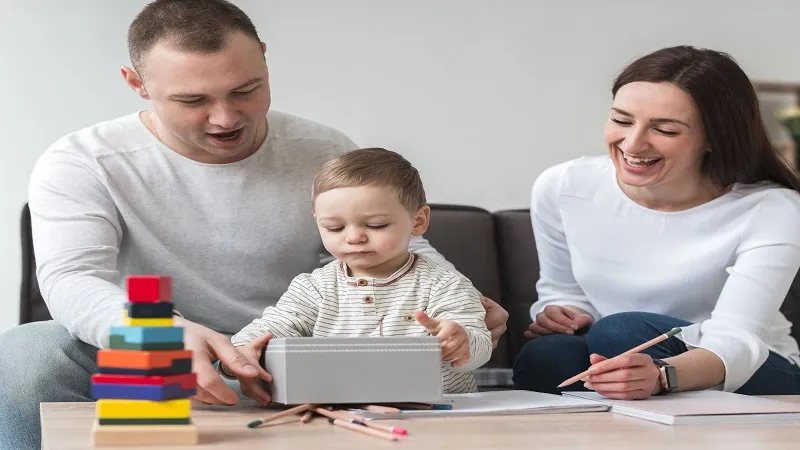
Parenting is one of the most rewarding yet challenging journeys in life. Every parent wants to raise children who are confident, kind, and capable of facing the world. However, with so much advice available online and offline, it can become overwhelming to know what truly works. That’s where this parental guide fpmomtips comes in—designed to simplify parenting with practical, proven strategies.
In this comprehensive article, we’ll explore essential parenting principles, emotional guidance, discipline techniques, and modern-day challenges. This parental guide fpmomtips will help you build a strong bond with your children while supporting their growth at every stage.
Understanding Your Child’s Emotional Needs
Children are not just small adults—they have unique emotional needs that must be understood and respected. Emotional development begins early, and how parents respond to their children’s feelings plays a huge role in shaping their personality.
A child who feels heard and valued grows up with higher self-esteem. When your child expresses sadness, anger, or excitement, it’s important to acknowledge those emotions instead of dismissing them. For example, instead of saying “Don’t cry,” try saying, “I understand you’re upset. Let’s talk about it.”
Emotional validation builds trust and teaches children how to manage their feelings effectively. According to this parental guide fpmomtips, consistent emotional support helps children become more resilient and confident in handling life’s challenges.
Building Strong Communication with Your Kids
Communication is the foundation of a healthy parent-child relationship. Open and honest conversations allow children to express themselves freely without fear of judgment.
Start by creating a safe environment where your child feels comfortable talking about anything. Listen actively—this means giving your full attention, maintaining eye contact, and responding thoughtfully. Avoid interrupting or immediately correcting them.
Ask open-ended questions like:
- “How was your day at school?”
- “What made you happy today?”
Good communication also involves explaining things clearly. Instead of giving orders, explain the reasons behind rules. This helps children understand responsibility and develop critical thinking skills.
This section of the parental guide fpmomtips emphasizes that strong communication leads to stronger relationships and fewer behavioral issues.
Effective Discipline Without Punishment
Discipline is often misunderstood as punishment, but in reality, it is about teaching children the right behavior. Harsh punishments can create fear and resentment, while positive discipline encourages learning and growth.
Set clear and consistent rules at home. Children feel more secure when they know what is expected of them. When rules are broken, focus on consequences rather than punishment. For example, if a child refuses to clean up toys, the consequence might be losing playtime.
Use positive reinforcement to encourage good behavior. Praise your child when they do something right. Simple words like “Great job!” or “I’m proud of you” can have a big impact.
This parental guide fpmomtips recommends using discipline as a teaching tool rather than a control mechanism, helping children develop self-discipline over time.
Encouraging Independence and Responsibility
One of the main goals of parenting is to raise independent individuals. Teaching children responsibility from a young age prepares them for adulthood.
Start with small tasks such as:
- Cleaning their room
- Helping with household chores
- Managing their schoolwork
Allow your child to make age-appropriate decisions. For example, let them choose their clothes or decide what hobby they want to pursue. This builds confidence and decision-making skills.
Avoid overprotecting your child. While it’s natural to want to keep them safe, giving them space to learn from their mistakes is essential for growth.
According to this parental guide fpmomtips, independence helps children develop problem-solving skills and a sense of accountability.
Creating a Positive Home Environment
The home environment plays a significant role in a child’s development. A positive, loving atmosphere encourages emotional stability and happiness.
Make your home a place where your child feels safe and supported. Spend quality time together as a family—this could be through meals, games, or simple conversations.
Reduce negativity by avoiding constant criticism or arguments in front of children. Instead, focus on encouragement and understanding.
Establish routines such as bedtime schedules and study times. Consistency helps children feel secure and improves their behavior.
A peaceful home environment is a key element highlighted in this parental guide fpmomtips, as it directly impacts a child’s mental and emotional well-being.
Balancing Technology and Screen Time
In today’s digital age, managing screen time has become a major parenting challenge. While technology offers educational benefits, excessive use can affect a child’s physical and mental health.
Set clear limits on screen time and encourage other activities such as reading, outdoor play, and hobbies. Monitor the content your child is consuming to ensure it is age-appropriate.
Create tech-free zones in your home, such as during family meals or before bedtime. This encourages meaningful interactions and better sleep habits.
Teach your child responsible digital behavior, including online safety and respectful communication.
This parental guide fpmomtips stresses the importance of balance—technology should support learning, not replace real-life experiences.
Supporting Your Child’s Education and Learning
Education is not limited to school—it begins at home. Parents play a crucial role in shaping their child’s attitude toward learning.
Show interest in your child’s studies by helping with homework and discussing what they learn in school. Encourage curiosity by answering their questions and exploring new topics together.
Avoid putting too much pressure on grades. Instead, focus on effort and improvement. Celebrate achievements, no matter how small.
Provide a comfortable study environment free from distractions. This helps your child concentrate and perform better academically.
This section of the parental guide fpmomtips highlights that supportive parenting fosters a love for learning and long-term academic success.
Teaching Values and Good Behavior
Children learn values primarily from their parents. Teaching honesty, kindness, respect, and empathy is essential for their character development.
Be a role model—children often imitate what they see. If you demonstrate respect and kindness, your child is likely to follow the same behavior.
Teach your child to understand the importance of helping others and being responsible citizens. Encourage sharing, gratitude, and compassion.
Use real-life situations to explain moral lessons. For example, if your child lies, discuss why honesty is important instead of simply punishing them.
This parental guide fpmomtips emphasizes that strong values shape a child’s future and relationships.
Managing Parenting Stress and Self-Care
Parenting can be stressful, and it’s important for parents to take care of themselves as well. A stressed parent may struggle to provide the patience and attention their child needs.
Take breaks when necessary and don’t hesitate to ask for help from family or friends. Practice self-care activities such as exercise, reading, or meditation.
Remember, it’s okay to make mistakes. Parenting is a learning process, and no one is perfect.
Maintaining your well-being allows you to be more present and supportive for your child. This parental guide fpmomtips reminds parents that caring for yourself is just as important as caring for your child.
Conclusion: Becoming a Better Parent Every Day
Parenting is a journey filled with learning, challenges, and unforgettable moments. There is no one-size-fits-all approach, but with patience, love, and the right strategies, you can raise happy and successful children.
This parental guide fpmomtips provides a complete roadmap to help you navigate the complexities of parenting. From understanding emotional needs to encouraging independence and managing modern challenges, each step plays a vital role in your child’s development.
Remember, the goal is not perfection but progress. Every small effort you make contributes to your child’s future. Stay consistent, stay supportive, and most importantly, enjoy the journey of parenthood.