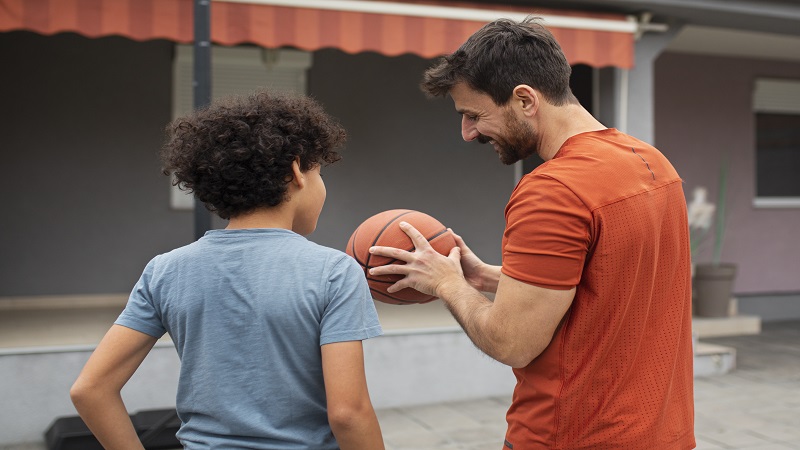
Teen sports can be a great outlet for confidence, discipline, and friendship. They also add one more layer to the family schedule, especially when practices, games, and school all compete for attention. Most parents think first about shoes, water bottles, and rides home after practice. Dental safety usually gets much less attention until something goes wrong.
That is even more true when your teen wears clear aligners. A simple plan can make it easier to protect their teeth, avoid lost gear, and keep treatment routines on track.
- What to prepare before the season starts
- When a mouthguard matters most
- How clear aligners change the game-day routine
Why teen sports need a simple dental safety plan
When parents think about sports safety, they usually picture sprains, bruises, or overuse injuries first. Teeth and gums are often treated like a smaller issue, even though they are part of the same bigger picture. That can lead families to focus on performance gear while skipping one important protective step. The problem is not a lack of care, but a lack of routine.
A mouthguard works best when it is treated like standard equipment, not an optional extra. That matters in practices as much as it does in games, because repeated exposure adds up over a season. The ADA guidance on sports mouth protection makes it clear that mouthguards belong in the conversation for many athletic activities. The goal is not to make sports feel risky, but to make protection feel normal.
- practices matter, not just game day
- School teams and casual play can both lead to accidents
- Gear only helps when a teen will actually wear it
Start with trust, not lectures or scare tactics
Most teens do not resist safety gear because they want to be reckless. They resist it because it feels awkward, bulky, easy to forget, or different from what their friends wear. Some think they can skip it for one short practice and still be fine. Others assume injuries only happen in high-contact sports.
Parents usually get better results when they frame safety as support, not control. Articles like building trust with teenagers reflect the same idea: communication works better when teens feel respected and involved. You can ask what feels uncomfortable about the gear they have used before. You can also make the habit easier by letting them help choose, pack, and store what they need.
A short, calm script often works better than a long lecture. You might say that this is about protecting their smile and keeping them in the game, not adding another household rule. When the conversation stays practical, teens are more likely to listen.
- Ask what gets in the way of using the gear.
- Keep the explanation short and clear.
- Build the habit into their normal prep routine.
Clear aligners require a different game-day routine
Clear aligners can help move teeth, but they are not made to absorb impact. That is the first point teens need to understand before the season gets busy. If they are treated like protective gear, your family may end up with damaged trays and avoidable stress. A good sports plan starts by knowing what aligners can and cannot do.
For higher-risk sports, parents should assume there needs to be a separate protection plan. Contact, collisions, falls, and accidental blows all change the decision, even when a sport does not look intense from the sidelines. This practical guide on clear aligners and sports mouthguard advice explains when aligners should come out and when a proper mouthguard should take over. That keeps the focus on both safety and routine instead of trying to make one item do two different jobs.
Once your teen understands that, the game-day routine gets simpler. The mouthguard prevention tips for broken or knocked-out teeth are a useful reminder that prevention is easier than dealing with an emergency later. Before practice or a game, aligners should come out if the activity carries a meaningful contact risk and go straight into a case. After play, your teen can clean up, check that everything is accounted for, and put the trays back in as soon as it makes sense.
- Before practice, decide whether aligners should come out.
- During play, keep the trays stored safely in a proper case.
- Use the right mouthguard for the sport instead of relying on the aligners.
- After practice, clean up and put the trays back in promptly.
Match the mouthguard plan to the sport
Not every sport carries the same level of risk, and parents do not need to treat them all the same way. Football, hockey, and similar sports usually call for the most protection because contact is expected. Basketball and soccer may not look as forceful, but collisions, elbows, and falls still happen often enough to matter. Even lower-contact activities can involve unexpected impact during busy school seasons.
The easier approach is to think in terms of real contact level rather than labels alone. Resources like soccer safety guidance for parents help show why seemingly routine youth sports still need thoughtful preparation. Comfort also matters, because gear that stays in the bag cannot do much good. A realistic plan is one your teen can repeat without a fight every week.
The best choice is not always the most complicated one. It is the option that fits the sport, feels usable, and can be packed without turning every practice into a negotiation. Consistency usually matters more than chasing a perfect setup that never gets worn.
- high contact: protection comes first
- moderate contact: fit and regular use both matter
- lower contact: decide case by case, but do not assume zero risk
Turn safety into a repeatable weekly habit
The families who handle sports seasons most calmly usually rely on routine, not memory. That can mean packing the night before, checking the sports bag after practice, and keeping one storage case in the same place every time. Small systems reduce the last-minute scramble that leads to forgotten gear. They also make it easier for teens to take more responsibility without constant reminders.
This is where broader habits matter too. The same kind of structure shown in healthy habits that support growing kids can help teens stay more consistent with sports gear, aligner storage, and post-practice cleanup. You do not need a complicated checklist on the fridge. You need a routine that feels easy enough to repeat on tired school nights and busy weekends.
It also helps to stay ready for the moments you hope never happen. Guidance that explains how mouthguards help cushion blows to the face is a good reminder to take prevention seriously before an injury forces the issue. Keep your dentist’s contact information handy, know where the gear is stored, and make sure your teen knows to tell an adult right away if something happens.
- mouthguard packed
- aligner case packed
- water bottle and towel ready
- dentist and parent contact details are easy to find
Conclusion
Teen sports do not need a perfect safety system to be safer. They need a simple plan that your family can actually follow week after week. When teens understand why the routine matters, they are much more likely to stick with it. That can protect both their smile and their confidence while they keep enjoying the sports they love.
- Pack the mouthguard before the rushed moment
- Make aligner removal part of the routine when needed
- Talk with your teen, not at them
- Keep the plan practical enough to repeat every week