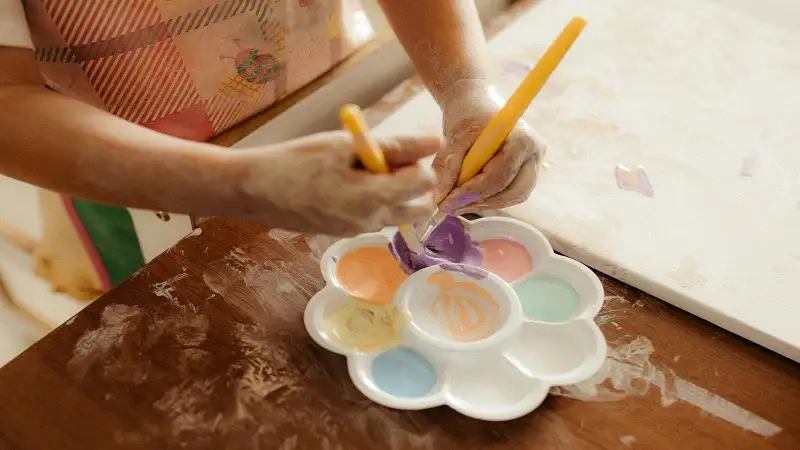
Hands-on learning plays an important role in how children understand the world around them. When kids actively participate in activities, they develop skills that go beyond memorization. Indoor activities, in particular, offer consistent opportunities for learning regardless of weather or schedules. They allow children to explore ideas, experiment with materials, and build confidence through direct experience.
For parents, indoor learning activities also provide meaningful ways to engage with children while reducing screen time. These activities encourage curiosity, improve coordination, and support emotional growth. Creative tasks that involve colors, textures, and problem-solving help children stay focused and motivated. Many families already use simple art supplies and household items to spark learning without turning it into a formal lesson.
Arts and Crafts as a Foundation for Hands-On Learning
Arts and crafts introduce children to hands-on learning through creativity and experimentation. Painting, drawing, and crafting give kids the freedom to make choices and see the outcome of those choices as they work. Using a variety of colors and materials helps children stay engaged while developing focus and patience. These activities support learning through exploration rather than instruction.
Crafting builds essential fine motor skills as children learn to grip brushes and cut shapes, but the right textures can further deepen their engagement. Incorporating high-luster finishes can captivate a child’s attention and spark curiosity, making them more likely to explore new techniques.
Art supplies like Ranger Ink’s pearlescent paint serve as a perfect example, adding a shimmering dimension that encourages kids to linger longer over their work. By keeping these materials accessible, you encourage independent discovery, with children leading the process and parents simply staying close by to help.
Building and Construction Activities Indoors
Building activities help children develop problem-solving and spatial thinking skills. Blocks, magnetic tiles, and recycled cardboard give kids the freedom to design and adjust their ideas. When structures fall, children learn persistence and adaptability.
Indoor building also supports early math concepts such as balance, size, and symmetry. Parents can encourage learning by asking simple questions about shapes or structure choices. Allowing children to work independently helps them trust their judgment.
Sensory Play That Engages Young Minds
Sensory play supports learning by engaging the senses of touch, sight, and movement. Activities like play-dough, textured bins, and water play help children explore new sensations safely. Sensory activities also encourage descriptive language as children explain what they feel or see. Parents can rotate materials to keep interest high without adding complexity. Simple sensory play gives children a calming way to learn while staying actively involved.
Everyday Science Experiments at Home
Simple science activities help children understand how things work through direct experience. Parents can use everyday items to explore basic concepts like cause and effect, temperature, and movement. Mixing colors, testing which objects float, or growing seeds indoors gives children a chance to observe results and ask questions. These activities encourage curiosity and logical thinking without requiring complex explanations.
Parents should focus on guiding the process rather than providing answers. Asking children what they think will happen builds critical thinking skills. Children learn more when they feel comfortable experimenting and making mistakes. Science activities at home also support attention and patience while keeping learning fun and interactive.
Creative Role Play and Pretend Scenarios
Role play allows children to explore social situations through imagination. Playing house, school, or a store helps kids understand routines and responsibilities. These activities support communication skills as children explain roles and negotiate ideas. Pretend play also helps children process real-life experiences in a safe and controlled environment.
Parents can support role play by offering simple props and letting children guide the story. Open-ended play strengthens confidence and decision-making. When children lead the activity, they practice problem-solving and emotional awareness.
Learning Through Cooking and Baking Together
Cooking activities turn daily routines into hands-on learning moments. Measuring ingredients teaches basic math, while following steps supports sequencing and focus. Children also learn about textures and changes that occur during mixing and heating. These experiences connect learning to real-world tasks in a meaningful way.
Parents can assign age-appropriate responsibilities to keep children engaged and safe. Stirring, pouring, and counting ingredients help build coordination and independence. Cooking together also encourages communication and teamwork.
Simple DIY Projects Using Household Materials
DIY projects encourage creativity while teaching resourcefulness. Items like paper rolls, boxes, and fabric scraps give children the freedom to design without strict rules. These projects help children plan, adapt, and complete tasks using their own ideas. They also support environmental awareness through reuse.
Parents can introduce a basic idea and allow children to shape the final result. This approach builds problem-solving skills and patience. DIY activities also improve fine motor coordination through cutting, taping, and assembling. Children feel proud when they complete a project they designed themselves.
Indoor activities that encourage hands-on learning help children grow in multiple ways. These activities support creativity, focus, and confidence while strengthening family connections. With simple materials and thoughtful guidance, parents can create meaningful learning experiences at home. Consistent hands-on play helps children develop skills that extend beyond childhood.